AI Summary
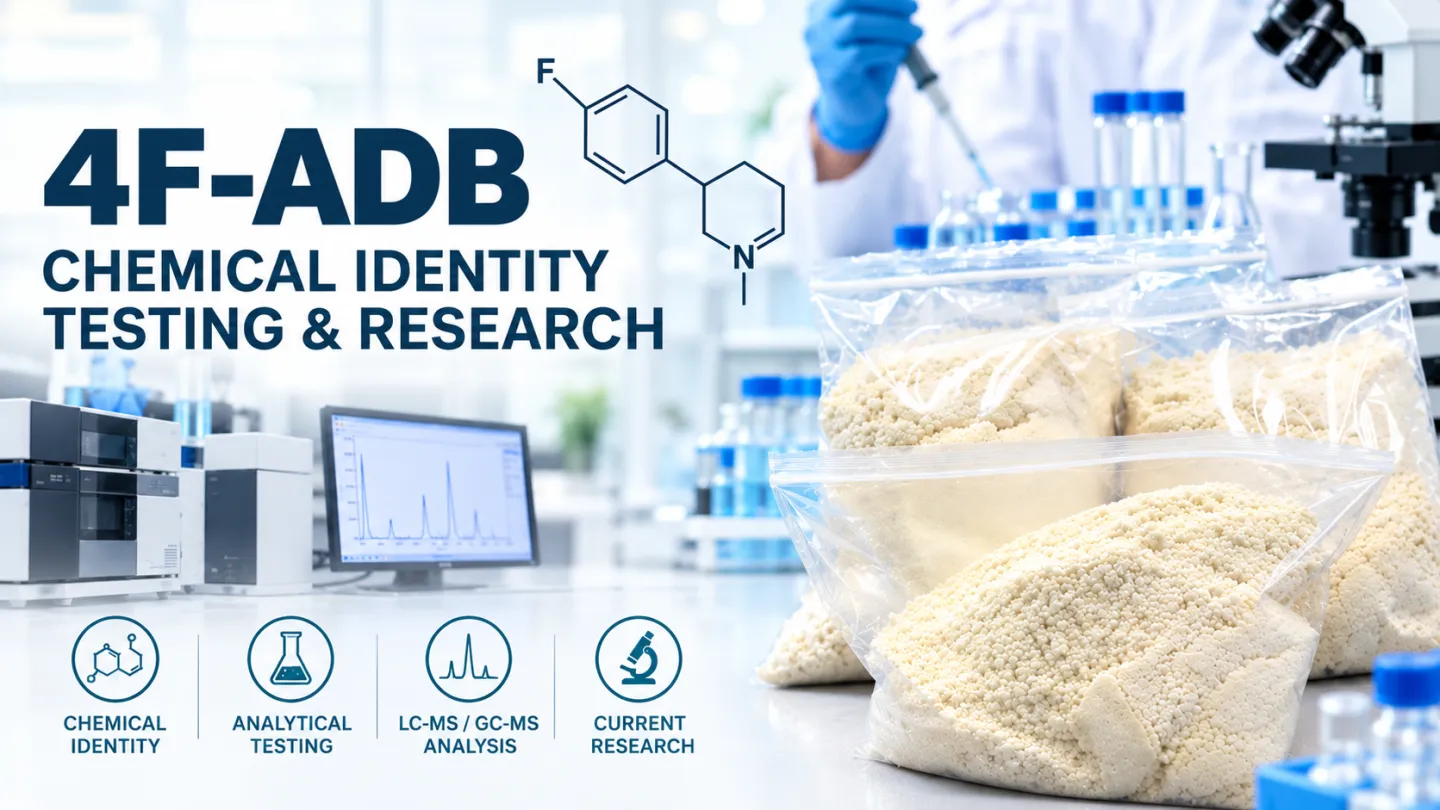
- 4F-ADB is a synthetic cannabinoid studied in analytical chemistry and forensic toxicology.
- Researchers use laboratory techniques to identify the compound and investigate its chemical properties.
- 4F-ADB is associated with serious health risks, including poisoning and cardiovascular complications.
- Laboratory testing helps distinguish 4F-ADB from similar synthetic cannabinoids.
- Search terms such as 4F ADB for sale do not establish a product’s identity, purity, legality, or safety.
- Smart Research Chemical is a commercial website, not an independent scientific authority.
Introduction
Synthetic cannabinoids have become an important subject in chemical and forensic research. Among these compounds, 4F-ADB has attracted attention because of its strong biological activity and potential health risks. Understanding its chemical identity, laboratory testing methods, and research limitations is essential for students, researchers and anyone exploring this topic.
However, information found online can sometimes be confusing or incomplete. Similar chemical names, unverified product descriptions and changing legal rules make careful research especially important. This guide explains what 4F-ADB is, how laboratories identify it and why reliable scientific evidence matters when studying this synthetic cannabinoid in modern forensic and analytical research.
What Is 4F-ADB and Why Is It Studied?
4F-ADB, also known as 4F-MDMB-BINACA, is a laboratory-made synthetic cannabinoid. It belongs to a group of substances that interact with cannabinoid receptors in the human body.
Unlike naturally occurring cannabinoids found in cannabis, synthetic cannabinoids are manufactured chemical compounds. Their effects can be much stronger and less predictable.
Researchers study 4F-ADB to understand its chemical structure, biological activity, metabolism, and possible toxic effects.
What Are the Basic Chemical Properties of 4F-ADB?
| Chemical Property | Description |
| Common name | 4F-ADB |
| Alternative name | 4F-MDMB-BINACA |
| Molecular formula | C₂₀H₂₈FN₃O₃ |
| Molecular weight | Approximately 377.45 g/mol |
| Chemical category | Synthetic cannabinoid |
| Research relevance | Forensic analysis and toxicology |
These details help scientists identify the substance and distinguish it from chemically related compounds.
How Is 4F-ADB Identified Through Laboratory Testing?
Laboratory testing is important because synthetic cannabinoids may share similar structures and names.
Professional laboratories use specialised analytical instruments to identify chemical compounds.
Which Testing Methods Are Commonly Used?
- Liquid Chromatography-Mass Spectrometry (LC-MS)
This method separates the chemicals in a sample and measures their molecular properties. It is widely used in forensic and toxicology labs.
- Gas Chromatography-Mass Spectrometry (GC-MS)
GC-MS can help identify suitable chemical substances by separating sample components and comparing their mass spectra.
- High-Resolution Mass Spectrometry (HRMS)
HRMS provides accurate mass measurements that support molecular formula identification.
A laboratory may combine several methods to improve confidence in its findings.
Why Is Chemical Purity Important in 4F-ADB Research?
Chemical purity refers to the proportion of a sample made up of the intended substance.
For researchers, accurate identification and composition are essential because unexpected chemicals can affect analytical results.
A sample described as 4F-ADB may contain impurities, related compounds, or substances that have been incorrectly identified.
Can a Product Label Confirm Chemical Purity?
No. A product label or online description cannot independently prove chemical purity.
For example, someone searching for 4F ADB for sale Canada may encounter websites displaying chemical specifications or purity percentages.
However, these claims should not be accepted without credible analytical documentation.
Smart Research Chemical provides commercial information about research chemicals, but any purity or identity claims require independent verification.
What Are the Main Research Applications of 4F-ADB?
4F-ADB is mainly relevant to scientific investigations involving synthetic cannabinoids.
Researchers examine the substance to improve analytical identification and understand its potential biological effects.
How Does 4F-ADB Support Forensic Research?
Forensic scientists investigate 4F-ADB in connection with suspected exposure, seized materials and toxicology cases.
Research may focus on identifying the original compound or detecting metabolites formed after the body processes it.
These findings can support forensic investigations and public health monitoring.
What Health Risks Are Associated With 4F-ADB?
4F-ADB is associated with potentially severe and unpredictable health effects.
Reported concerns involving synthetic cannabinoids include:
- Rapid heartbeat and cardiovascular complications
- Confusion, agitation and anxiety
- Seizures and loss of consciousness
- Breathing difficulties
- Severe poisoning and possible death
The severity of an exposure can depend on several factors, including the actual substance present and other compounds involved.
4F-ADB should not be considered safe for human consumption.
Is 4F-ADB Legal in Canada and Other Countries?
The legal status of synthetic cannabinoids depends on national and regional regulations.
Canada and other countries regulate various synthetic cannabinoids through controlled-substance laws.
People searching for 4F ADB for sale should understand that online availability does not mean possession, importation, distribution, or use is lawful.
Similarly, the search phrase buy 4F BCA online may refer to a different chemical or an incorrectly labelled substance. These names should not be treated as interchangeable without verified chemical identification.
Researchers should consult current official regulations before handling controlled substances.
Why Does Reliable Scientific Information Matter?
Reliable information helps readers distinguish established scientific findings from unsupported commercial claims.
When reviewing information from Smart Research Chemical or another research chemical website, readers should examine whether statements are supported by recognised analytical methods and credible scientific publications.
A good scientific explanation should correctly identify the compound, acknowledge uncertainty and discuss known safety concerns in a suitably tempered way.
Conclusion
Understanding 4F-ADB requires more than reading a chemical product description. Accurate identification, reliable laboratory testing and awareness of toxicological risks are essential.
For beginners and students, the most useful approach is to focus on verified scientific information rather than unsupported online claims.
For general enquiries about published chemical information, contact Smart Research Chemical:
- Phone: +1 (210) 595-9082
- Email: [email protected]
This contact information is for general inquiries only. It is not an endorsement of the purchase or handling of controlled synthetic cannabinoid products.
Frequently Asked Questions –
Q. What is the main purpose of studying 4F-ADB?
A. Scientists study 4F-ADB to understand its chemical identity, biological activity, metabolism and toxicological effects.
Q. Is 4F-ADB the same as 5F-ADB?
A. No. They are different synthetic cannabinoids, and have different chemical structures. The similarity of their names can be confusing.
Q. Can laboratories identify 4F-ADB accurately?
A. Yes. Identification can be supported by qualified laboratories with validated analytical techniques, including mass spectrometry.
Q. Is 4F-ADB safe for human use?
A. No safe level of human use has been identified. The substance carries risks of serious poisoning and should not be ingested.
Q. Why is independent laboratory verification important?
A. Independent verification helps confirm that the sample contains the compound it says it does and whether there are any other substances.